Floor rugs are more than just functional floor coverings—they're powerful design elements that can transform any space. With the right approach, you can use rugs to create focal points, define spaces, and add warmth and personality to your home.
Creating Focal Points
Use a bold, colorful rug as a centerpiece in your living room. Place it under your coffee table to anchor your seating area and draw the eye. This works especially well with hand-tufted rugs featuring intricate patterns.
Defining Spaces
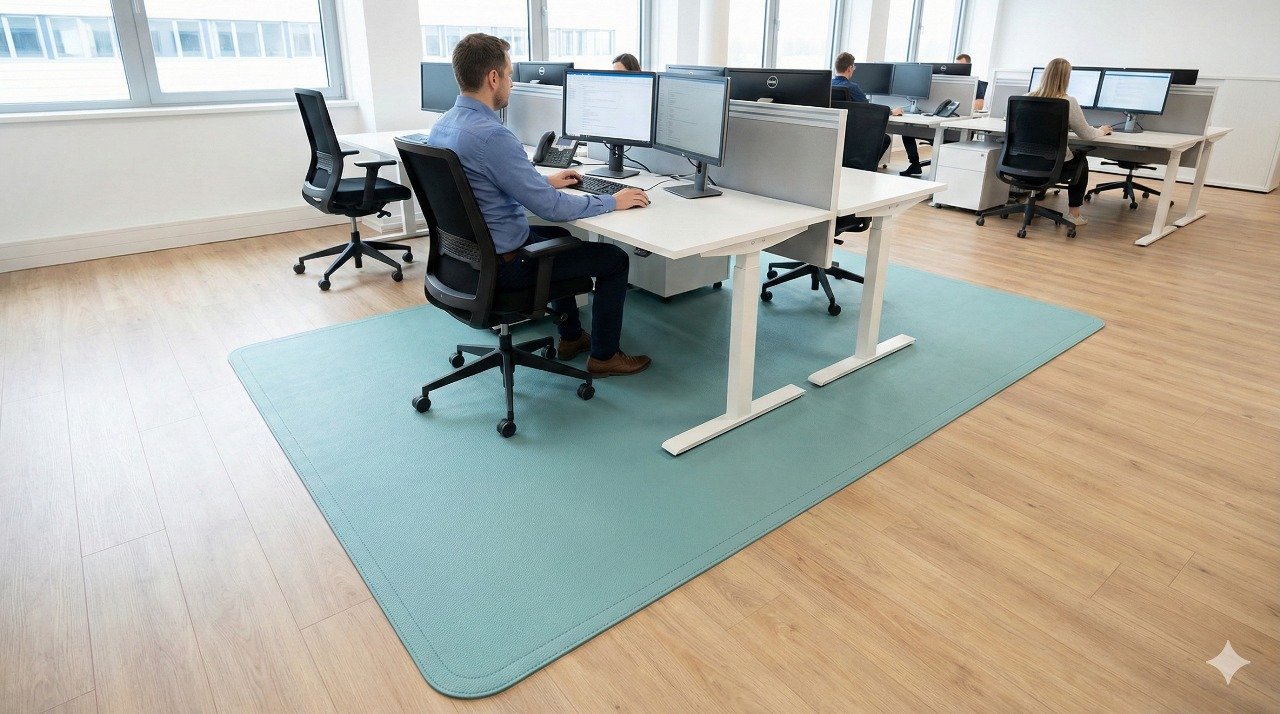
In open-plan layouts, use rugs to define different functional areas. A large rug under your dining table creates a distinct dining zone, while a separate rug in the living area defines the relaxation space.
Layering for Depth
Layering rugs adds texture and visual interest. Place a smaller, colorful rug on top of a larger neutral one. This technique works well with both traditional and modern decor styles.
Color Coordination
Choose rug colors that complement your existing color scheme. For a cohesive look, pick up accent colors from your furniture, curtains, or artwork. Alternatively, use a rug to introduce a new color palette to your room.
Size and Placement
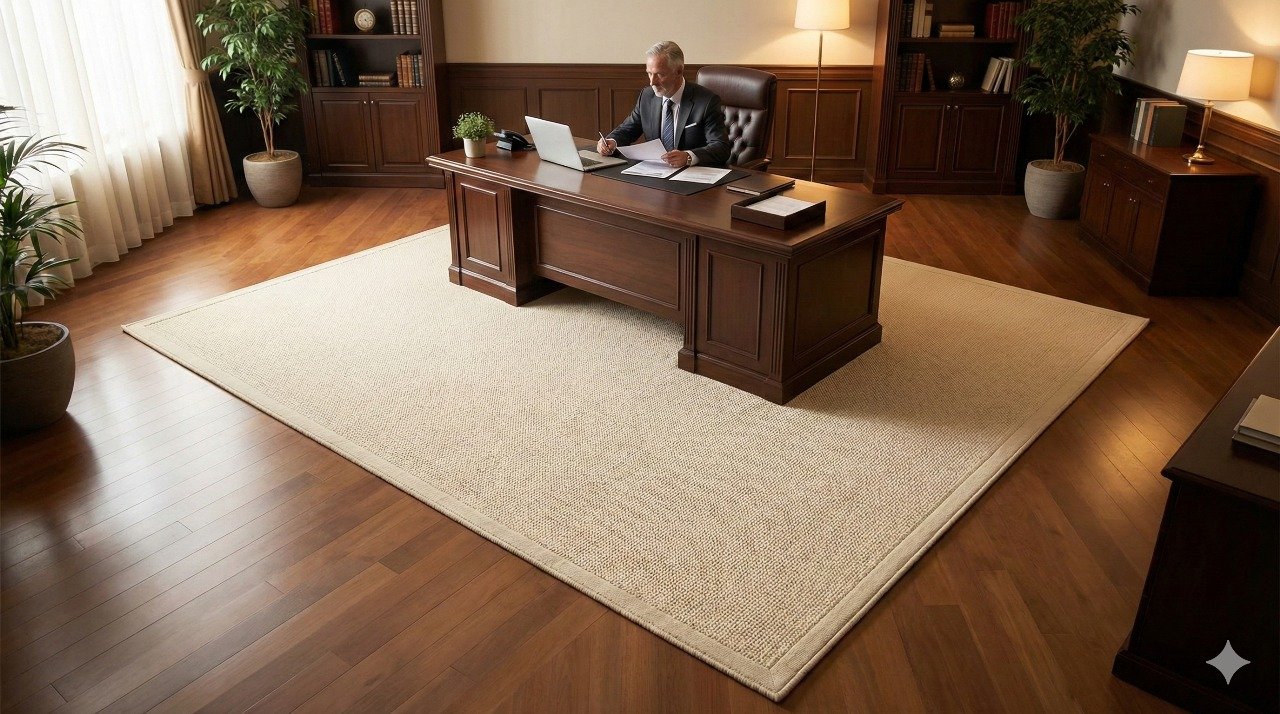
Ensure your rug is appropriately sized for the space. In living rooms, all furniture legs should sit on the rug, or at least the front legs. For bedrooms, position the rug to extend beyond the bed on both sides.
Pattern Mixing
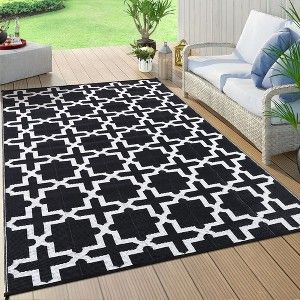
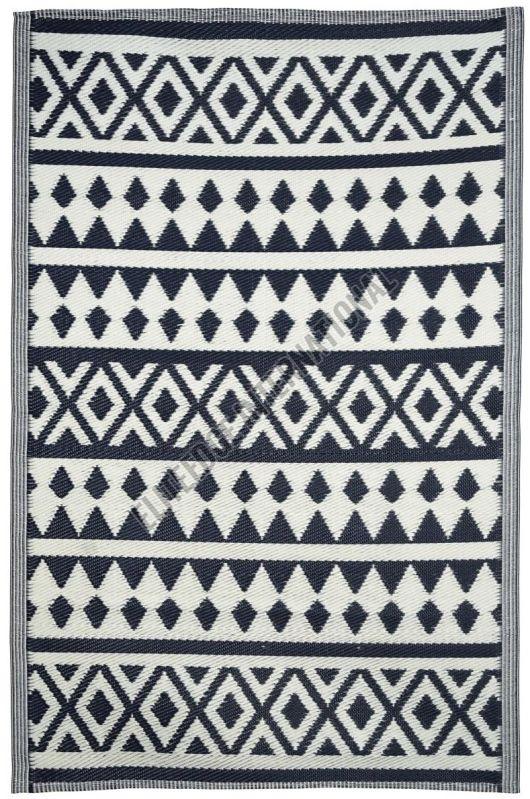
Don't be afraid to mix patterns, but keep them in the same color family. A geometric rug can work beautifully with floral patterns if they share similar colors. Start with one bold pattern and complement it with more subtle designs.
Seasonal Updates
Consider having different rugs for different seasons. Lighter, brighter rugs for spring and summer, and warmer, deeper tones for fall and winter. This simple change can refresh your entire space.