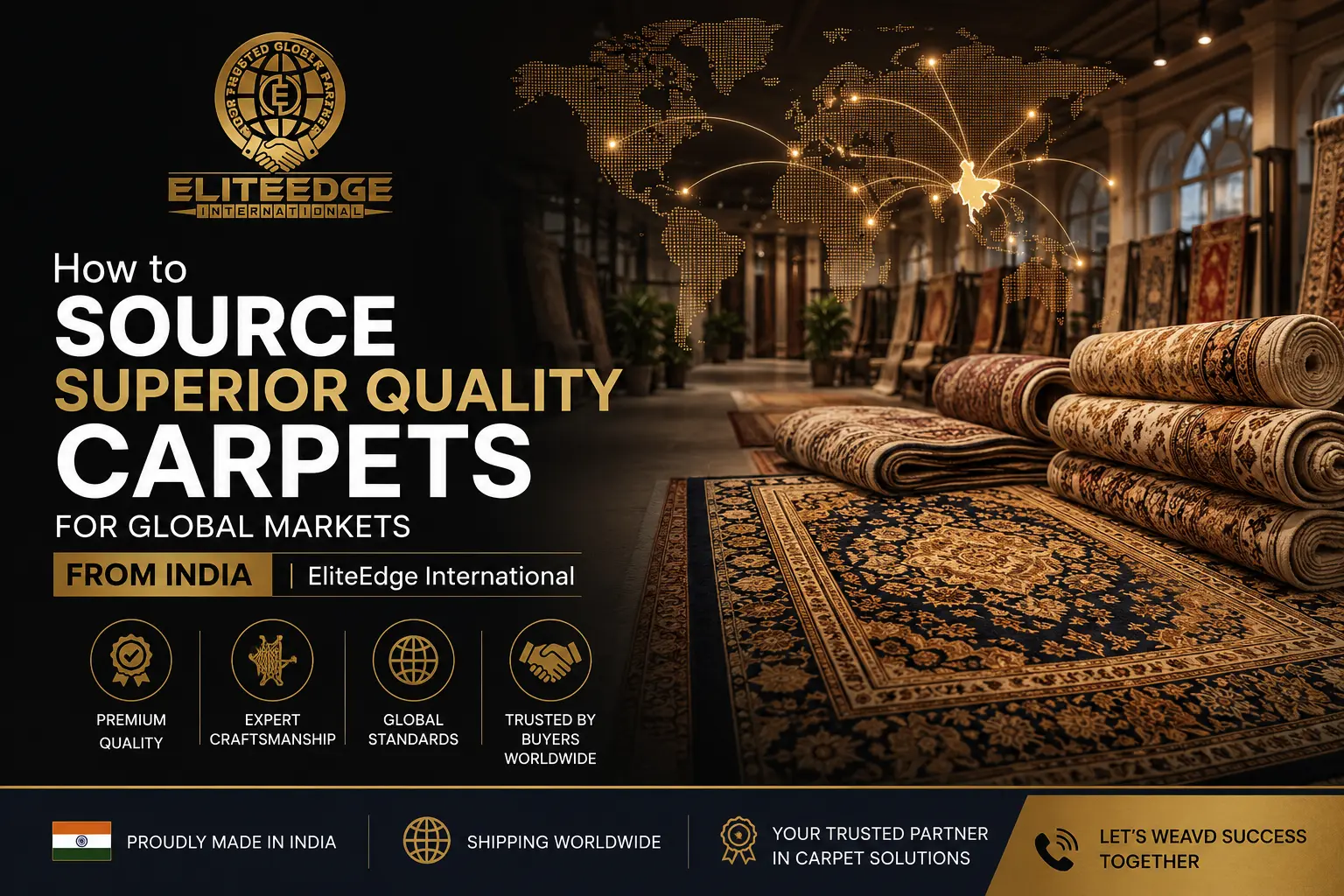
The world of luxury home furnishings is constantly evolving, driven by an insatiable demand for unique designs, unparalleled craftsmanship, and sustainable sourcing. At the forefront of this global trend is the rich textile heritage of India, a land renowned for its artistry in weaving and carpet making. For businesses looking to penetrate lucrative international markets, understanding how to navigate the supply chain and identify genuine excellence is paramount. This guide explores the definitive roadmap for accessing Superior Quality Carpets for Global Markets directly from India, providing actionable insights for exporters and discerning buyers alike. Discover the unique value proposition that makes Indian textiles indispensable in the global décor landscape.
The Global Demand for Authentic Handcrafted Carpets
Carpets and rugs have transcended their role as mere floor coverings; they are now considered significant interior design statements, investment assets, and cultural artifacts across continents. International buyers in the USA, Europe, Australia, and the Middle East are actively seeking authenticity, ethical production, and exceptional material quality. This shift means that mass production is no longer enough; there is a profound need for traceable narratives woven into every thread. Indian carpets, with their centuries old traditions of intricate knot work and superior natural fibers like fine wool, perfectly meet this elevated demand.
Why India Dominates the Global Carpet Export Scene
India’s position as the undisputed global leader in handmade carpet production stems from a unique combination of history, skill, and material availability. The sheer diversity of weaving techniques—from intricate Persian styles to vibrant regional designs—offers an unmatched aesthetic range. This variety allows Indian artisans to cater to highly specific niche markets, rather than producing homogenous goods. Furthermore, the established supply chains and the deep pool of skilled weavers ensure a consistent output of high quality that meets stringent international standards. When sourcing from India, you are not just purchasing a product; you are investing in a legacy of artisanal skill.
The Blueprint for Sourcing Superior Quality Carpets
Sourcing textiles effectively requires more than just finding a supplier; it demands establishing a trust based on transparency, expertise, and rigorous quality control. Follow this structured approach to ensure your sourcing strategy yields truly Superior Quality Carpets for Global Markets.
Step 1: Identifying Authentic and Ethical Weavers (Expertise)
The first critical step is moving beyond general searches to pinpoint specific artisan clusters or established cooperatives known for excellence. Look for producers who are transparent about their material origins, dyeing processes, and labor practices. Focus on regions famous for specific weaving traditions, such as Kashmir, Gujarat, and Andhra Pradesh, where traditional craftsmanship remains vibrant. Utilizing platforms that connect directly with artisan groups can bypass intermediaries, ensuring better margins for the weavers and greater authenticity for the buyer.
Step 2: Understanding Material Science and Craftsmanship (Authority)
The quality of a carpet is intrinsically linked to its materials. Buyers must inquire about the type of wool used, the density, the dye methods employed (natural vs. synthetic), and the precision of the knotting or weaving technique. For example, understanding the difference between hand knotted techniques and machine assisted production dramatically affects the final price and perceived value. Establishing a clear understanding of textile terminology allows you to evaluate quality objectively and avoid superficial sourcing decisions.
Step 3: Mastering the Export Documentation and Logistics (Trustworthiness)
Exporting goods globally involves complex regulatory hurdles. Buyers require meticulous documentation, including Certificates of Origin, quality testing reports, and compliance with international trade laws. Reliable partners will assist in navigating customs procedures, ensuring smooth transit from the Indian production hubs to international ports. Due diligence here is crucial; partnering with suppliers who understand global logistics builds the foundation of trust necessary for long term commercial relationships.
Step 4: Establishing Fair and Sustainable Supply Chains (Experience)
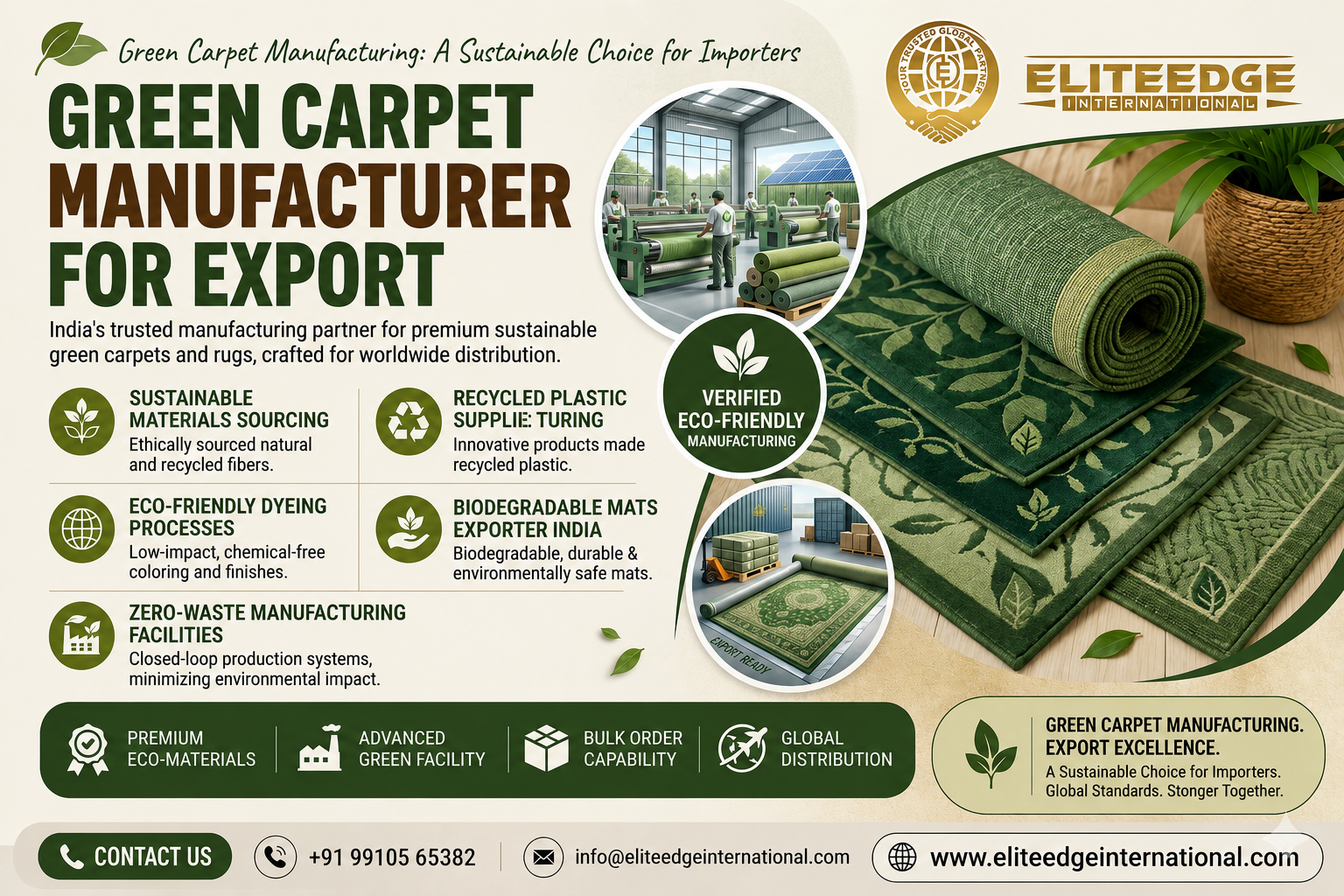
The modern consumer demands responsibility. Sourcing Superior Quality Carpets for Global Markets today must integrate sustainability into its core strategy. Investigate suppliers who employ sustainable practices, use eco friendly dyes, and ensure fair wages for the weavers. A truly authoritative supplier will have documented evidence of ethical sourcing, demonstrating a commitment that extends beyond mere aesthetic appeal to encompass social responsibility.
The Future is Now: Partnering with EliteEdge International
The confluence of artisanal skill from India and the sophisticated demands of global consumers creates an immense opportunity. To bridge the gap between exceptional Indian craftsmanship and international market requirements, specialized expertise is essential. This is where partnering with established experts makes all the difference in guaranteeing Superior Quality Carpets for Global Markets.
EliteEdge International specializes in bridging this critical gap. We provide comprehensive consultancy, rigorous quality auditing, and streamlined export logistics, transforming raw material potential into globally recognized luxury products. By leveraging our deep knowledge of Indian textile production and international trade regulations, we ensure that your supply chain is not only efficient but also ethically sound and compliant with the highest global standards. We empower you to focus on market penetration while we manage the complexities of sourcing and quality assurance.
Frequently Asked Questions (FAQ)
Q1: What is the most important factor when selecting suppliers for high quality carpet export from India?
A: The most important factor is the consistent traceability of the product and the authenticity of the weaving technique. High quality sourcing relies on verifying that the carpets are genuinely handmade using traditional, time intensive methods rather than mass production techniques. Suppliers must provide detailed records of the fiber source, the dyeing process, and the specific artisan team involved to assure true quality and ethical provenance for global buyers.
Q2: How do I ensure the sustainability and ethical sourcing of carpets from India?
A: Ensuring sustainability involves demanding transparency regarding material use and labor practices. Look for suppliers who commit to using natural, eco friendly dyes instead of harsh chemicals and who guarantee fair wages and safe working conditions for the artisans. Auditing their supply chain for environmental impact and social responsibility is crucial for meeting modern international buyer expectations.
Q3: What documentation is essential for exporting carpets from India to Europe or the USA?
A: Essential documentation includes a Commercial Invoice, Packing List, Bill of Lading, Certificate of Origin, and quality assurance certificates. These documents must accurately reflect the goods, their value, origin, and compliance with import regulations of the destination country. Without accurate paperwork, customs clearance will be significantly delayed and complicated.
Q4: What are the typical quality control checks required before exporting carpets?
A: Quality control checks should involve inspecting the raw materials used, assessing the intricacy of the pattern execution, testing the density and yarn structure, and verifying the finishing process. Physical inspection by certified third party auditors is highly recommended to ensure that the exported goods meet the high standards expected in luxury global markets.
Q5: How do I manage the challenge of fluctuating international market prices?
A: Managing price fluctuation requires establishing long term contracts with suppliers and understanding the cost structure, including raw material costs, labor wages, and logistics overheads. Developing stable relationships based on mutual trust allows you to negotiate pricing more effectively while building in contingency plans for potential market shifts.
Q6: What is the role of technology in modern carpet sourcing from India?
A: Technology plays an increasing role in improving transparency. Blockchain technology can be used to track the journey of a carpet from the weaver to the exporter, ensuring authenticity and provenance. Digital platforms also facilitate better communication between buyers and artisans, making the sourcing process more efficient and less reliant on slow traditional methods.
Q7: How long does the sourcing process typically take from initial contact to final shipment?
A: The timeline varies significantly depending on the complexity of the order, the supplier's capacity, and the logistics involved. A typical end to end process involving quality checks, negotiation, documentation, and shipping can range from four to eight weeks. Clear communication upfront is key to maintaining an efficient and timely sourcing schedule.
Q8: Are there specific Indian weaving regions known for unique carpet styles?
A: Yes, several regions are renowned for distinct styles. Kashmir is famous for its intricate Pashmina and Kashmiri shawls, while regions like Gujarat and Rajasthan offer vibrant block printed textiles and detailed intricate designs. Each region offers a unique narrative that can be marketed to specific global clientele based on their aesthetic preference.
Q9: What challenges do exporters often face when dealing with international buyers?
A: Exporters commonly face challenges related to managing volatile shipping costs, navigating diverse international customs regulations, ensuring consistent quality across large batches, and handling complex payment terms. Expertise in international trade compliance and strong communication skills are vital for overcoming these hurdles successfully.
Q10: How can a new business start sourcing superior carpets from India today?
A: A new business should start by focusing on niche markets and finding direct connections with artisan cooperatives or specialized exporters. Investing time in understanding the specific needs of the target global market, establishing clear ethical guidelines, and leveraging expert consultation, like that offered by EliteEdge International, will set a strong foundation for success in this competitive field.